

TPE Pillow Review: The Science Behind Cooling, Support, And Customization
Apr 14, 2026
Leave a message
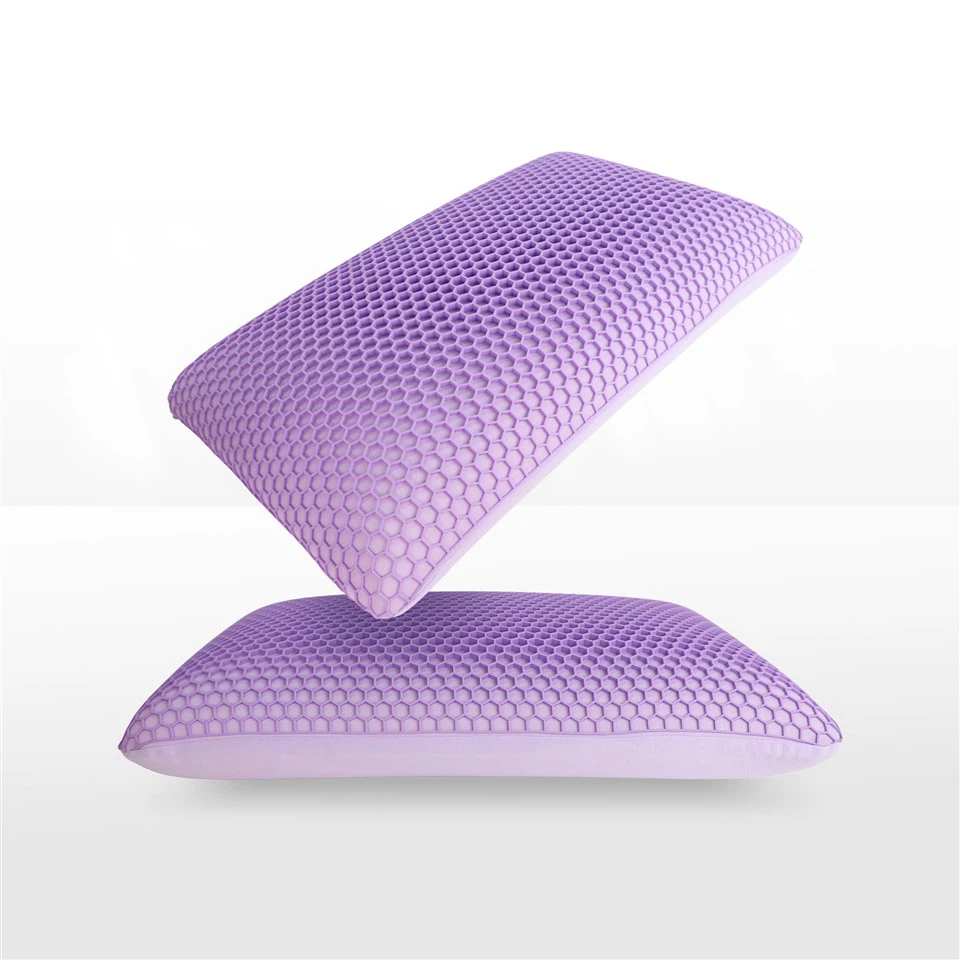
🧊 Introduction to TPE Pillow Technology
In recent years, the global sleep industry has shifted toward advanced material-driven innovation, with TPE (Thermoplastic Elastomer) pillows becoming one of the fastest-growing segments. Unlike traditional memory foam or fiber pillows, TPE pillows are engineered to deliver a balanced combination of cooling performance, elasticity, and long-term support.
A professional TPE pillow review focuses not only on comfort but also on material science, airflow design, and manufacturing capabilities-especially for buyers sourcing products for retail or private label brands.
🧬 What Are TPE Pillows Made Of?
Understanding what are TPE pillows made of is essential when evaluating product quality.
TPE (Thermoplastic Elastomer) is a high-performance polymer material that combines the flexibility of rubber with the durability and processability of plastics. Its core advantages include:
High elasticity and resilience
Non-toxic and skin-friendly properties
Strong resistance to deformation
Recyclability and environmental friendliness
In most high-end designs, TPE is formed into a 3D grid or honeycomb structure, which becomes the key functional layer of the pillow. Some products also integrate memory foam cores to enhance ergonomic support, creating a hybrid structure that balances softness and responsiveness.
❄️ Cooling Mechanism Explained
One of the most important aspects highlighted in any TPE pillow review is cooling performance.
Honeycomb Airflow Design
The open-grid structure creates continuous air channels throughout the pillow, allowing heat to dissipate naturally. This design:
Prevents heat accumulation
Improves ventilation
Enhances breathability
Passive Cooling Principle
Unlike gel or phase-change materials, TPE relies on passive cooling, meaning:
No chemical cooling agents required
Stable performance over time
No loss of cooling effect after repeated use
Moisture Management
The ventilated structure also reduces humidity buildup, making TPE pillows ideal for:
Hot sleepers
Humid climates
Summer bedding collections
🧠 Ergonomic Support & Pressure Relief
A high-quality TPE pillow is not only about cooling-it must also provide proper ergonomic support.
Adaptive Support System
The elastic grid structure adapts instantly to the shape of the head and neck, offering:
Even pressure distribution
Reduced pressure points
Improved comfort during long sleep cycles
Spinal Alignment
Proper pillow design supports natural cervical curvature, helping to:
Maintain spinal alignment
Reduce neck stiffness
Improve sleep posture
Balanced Firmness
Unlike overly soft or overly firm pillows, TPE structures can be engineered to deliver a balanced feel, suitable for multiple sleeping positions including back and side sleepers.
⚡ Durability and Material Performance
Durability is a critical factor often emphasized in a professional TPE pillow review.
High Resilience
TPE materials provide rapid rebound and maintain structural integrity even after long-term use.
Anti-Deformation Properties
Compared to traditional foam:
Less risk of sagging
Consistent support over time
Extended product lifespan
Structural Stability
The grid design distributes load evenly, reducing localized stress and improving overall durability.
🛏️ How to Choose a High-Quality TPE Pillow
For buyers and brands, selecting the right product requires evaluating several technical factors:
✔ Material Quality
Purity and grade of TPE
Safety certifications
Odor control and finishing
✔ Structural Design
Grid density and thickness
Airflow channel efficiency
Ergonomic contour options
✔ Fabric & Cover
Breathable and washable outer cover
Skin-friendly materials such as bamboo or knitted fabric
✔ Comfort Customization
Firmness options
Height and shape variations
A well-designed TPE pillow should balance all these elements rather than focusing on a single feature.
🔧 OEM & ODM Customization Insights
Customization plays a crucial role in the competitiveness of TPE pillow products.
Product Customization
Adjustable size and shape
Different grid structures for varied cooling levels
Hybrid designs combining TPE and memory foam
Functional Customization
Targeted cooling performance for specific markets
Ergonomic contour development
Firmness tuning
Branding & Packaging
Private label logo integration
Custom packaging for e-commerce or retail
Eco-friendly packaging solutions
For B2B buyers, the ability to customize is often more important than the base product itself.
🏭 Manufacturing Strength: Zhejiang Rina Home Technology Co., Ltd
A reliable manufacturer is essential for ensuring product consistency and scalability. Zhejiang Rina Home Technology Co., Ltd offers strong advantages in this area.
Advanced Production Environment
Modern equipment for TPE molding and foam processing
Clean and well-organized production lines
Efficient assembly and packaging systems
Quality Control System
Raw material inspection
In-line production monitoring
Final product testing
Flexible Production Capability
Fast sampling (7–15 days)
Stable bulk production
Support for both small and large orders
R&D and Innovation
Rina continuously develops new structures and materials, helping clients stay competitive in evolving markets.
📌 Conclusion
A comprehensive TPE pillow review shows that this category represents a significant advancement in sleep technology. By combining breathable structures, ergonomic support, and durable materials, TPE pillows address many of the limitations found in traditional bedding products.
For brands and distributors, success in this category depends not only on product performance but also on customization capability and manufacturing reliability. With strong production expertise and flexible OEM/ODM services, Zhejiang Rina Home Technology Co., Ltd provides a solid foundation for developing competitive, high-quality TPE pillow products.
As consumer demand continues to evolve toward cooler, healthier, and more personalized sleep solutions, TPE pillows are set to play an increasingly important role in the global bedding market.