

TPE Pillow Benefits: A Buyer’s Guide To Material, Design And Custom Manufacturing
Oct 23, 2026
Leave a message

What Is a TPE Pillow?
A TPE pillow is made from thermoplastic elastomer, a material that combines elastic behavior with thermoplastic processing characteristics. Many TPE pillows feature molded honeycomb or grid structures designed to provide flexible support and airflow paths.
Compared with conventional fiber-filled pillows, TPE pillows offer opportunities for more controlled core geometry and customized product shapes. Manufacturers can develop different profiles, grid patterns and pillow configurations to meet the requirements of bedding brands, wholesalers, retailers and private-label businesses.
For B2B buyers, selecting a TPE pillow involves more than choosing a material. Core dimensions, structural design, firmness, rebound performance, pillow covers and packaging all influence the finished product.
Understanding these factors helps importers compare suppliers, establish clear purchasing specifications and develop products suited to their target markets.
Key Benefits of TPE Pillows
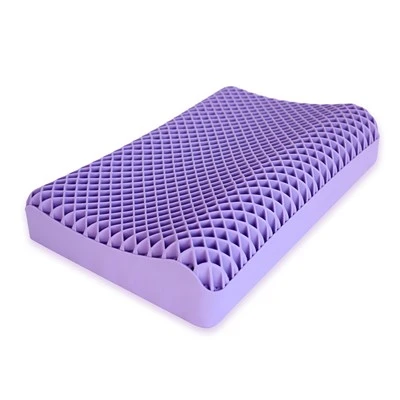
Open-Grid Structure for Air Circulation
Many TPE pillows use honeycomb or open-grid structures. The spaces between the molded elements create airflow paths through the core, which may help dissipate heat during use.This construction can support product positioning around ventilation and sleeping comfort. However, the complete product design matters: grid dimensions, pillow thickness and cover fabric all affect airflow and heat transfer.Importers should assess the finished pillow rather than relying solely on the material name when comparing products for warm-climate markets or consumers who prioritize breathability.
Shape Retention and Durability
A properly designed TPE core can maintain its molded geometry during normal use. Its elastic properties can support recovery after compression when the material and structure are suited to the intended application.For wholesalers and bedding brands, shape retention is relevant to repeat-order consistency and long-term product performance.Buyers should request information about compression recovery, repeated-load testing and dimensional stability. The test conditions and acceptance criteria should be documented so that samples and production batches can be compared consistently.
Convenient Cleaning and Maintenance
Some TPE pillow cores can be rinsed with water according to the manufacturer's cleaning instructions. Their molded construction may make routine maintenance more straightforward than that of certain absorbent fillings.This feature can be relevant to bedding retailers, hospitality suppliers and brands seeking products with clear care instructions.Buyers should confirm the cleaning requirements for the specific core, cover and accessories. If a pillow includes a removable cover, its washing instructions should be provided separately.
How TPE Pillow Structure Affects Performance
The material is only one part of a TPE pillow's performance. The core structure determines how the product responds to pressure and how air moves through its internal spaces.
Grid Geometry
Honeycomb and lattice patterns create different arrangements of openings and connecting sections. Their dimensions and distribution can influence flexibility, structural stability and airflow paths.
During sample evaluation, buyers should check that the grid pattern is consistent with the approved design. Uneven molding, incomplete sections or damaged connections should be assessed against the agreed quality requirements.
Pillow Height and Contour
Overall height and contour affect how the pillow fits different sleeping preferences. Importers should specify length, width, height and dimensional tolerances rather than relying on general size descriptions.
For customized products, a manufacturer may be able to evaluate alternative profiles or contours according to the buyer's drawings and intended application.
Material and Rebound Requirements
TPE formulations and hardness levels can vary. Buyers should confirm the specified material and evaluate rebound performance through physical samples or documented tests.
A clear specification helps the manufacturer reproduce the intended feel and structure across production batches.
Cover and Fabric Selection
The cover contributes to the complete product's feel, appearance and maintenance requirements. Buyers should consider fabric composition, color, stitching, zipper design, fit and washing instructions.
For private-label projects, the cover and branding elements should be approved alongside the TPE core so that the finished product meets the intended retail requirements.
How to Choose the Right TPE Pillow
Selecting a TPE pillow starts with understanding the target customer, sales channel and product positioning.
Define Your Target Market
Bedding retailers may prioritize product appearance, comfort and retail packaging. E-commerce brands may focus on design differentiation, product dimensions and shipping requirements. Hospitality buyers may place greater emphasis on maintenance procedures and consistent replenishment.
These priorities should guide the selection of the core structure, cover and packaging.
Confirm Product Specifications
Before requesting a quotation, prepare a specification sheet covering:
Pillow length, width, height and dimensional tolerances.
TPE material requirements and core structure.
Target weight and agreed performance characteristics.
Grid pattern, contour and color requirements.
Pillow cover fabric, zipper, labels and care instructions.
Individual packaging, carton dimensions and shipping marks.
Providing these details allows suppliers to evaluate feasibility and quote against the same requirements.
Request and Approve Samples
A physical sample helps buyers evaluate the product's appearance, structure, firmness, rebound and cover construction.
Once the sample is approved, retain it as a reference and record the corresponding specifications. Any later changes to material, dimensions or structure should be reviewed before mass production.
Evaluate Customization Options
For OEM/ODM projects, ask whether the manufacturer can support the required core design, dimensions, cover materials, branding and packaging.
Confirm tooling costs, sample-development time, MOQ and production lead time before finalizing the order.
Quality Checks Before Bulk Ordering
A consistent quality-control process helps importers verify that mass-produced TPE pillows match the approved product.
Material verification: Confirm the agreed material specifications, supplier documentation and batch identification where applicable.
Structural inspection: Check grid geometry, molded surfaces, edges and connecting sections against the approved design.
Dimensional checks: Measure pillow length, width and height against the product specification.
Performance evaluation: Use agreed methods to assess rebound, compression recovery and other required functional properties.
Cover inspection: Review fabric, color, stitching, zipper operation, fit and labeling.
Packaging inspection: Verify individual packaging, carton dimensions, product identification and shipping marks.
Buyers should agree on inspection criteria before production starts. Depending on the product and order requirements, inspection may include raw-material checks, in-process inspections and final random sampling.
For applicable visual and measurable defects, an agreed AQL sampling plan can help organize final inspection. Critical safety or functional requirements may require separate testing.
Rina's Custom TPE Pillow Manufacturing
For bedding brands, importers and wholesalers seeking products beyond standard catalog designs, custom manufacturing can help establish a more distinctive product range.
Rina's TPE pillow projects can be planned around the buyer's required product specifications, design preferences and branding requirements. The exact options should be confirmed for each project.
Custom Core Design
Buyers can discuss the intended pillow shape, dimensions, grid pattern and overall profile with Rina. Reference drawings, product images or physical samples help communicate the required design.
The proposed structure should be reviewed for manufacturing feasibility, tooling requirements and the performance characteristics that need to be verified during sampling.
Material and Performance Specifications
A custom project should define the required material, target dimensions, weight and performance criteria before production.
Rina should be evaluated on its ability to develop samples against these requirements, document the approved specifications and maintain consistency during mass production. Any claims regarding rebound, durability or other functional properties should be supported by relevant testing.
Pillow Cover and Branding Customization
The finished pillow can also be planned around the buyer's brand identity. Depending on the confirmed project scope, customization may cover fabric selection, colors, removable-cover construction, logo placement, labels and care instructions.
Packaging requirements can be developed alongside the product to accommodate retail presentation, private-label branding and shipping needs.
OEM/ODM Project Support
OEM projects typically start with a buyer-provided design or specification. ODM projects may involve more extensive cooperation on product structure, appearance and configuration.
When discussing an order with Rina, importers should confirm the available customization options, sample process, tooling charges, MOQ, production capacity, lead time and quality documentation.
A well-defined development process connects the approved sample to the bulk-production specification. This gives both parties a clearer basis for inspection, replenishment and long-term product-line development.
Frequently Asked Questions
What are the main benefits of TPE pillows?
TPE pillows can offer elastic rebound, airflow through open-grid structures, molded design flexibility and convenient maintenance for compatible models. Performance depends on the material formulation, core geometry and complete product construction.
Are TPE pillows breathable?
Many TPE pillows use open-grid structures that provide airflow paths through the core. Actual ventilation and heat transfer also depend on the grid design, pillow dimensions and cover fabric.
How do buyers evaluate TPE pillow quality?
Buyers should check material specifications, dimensions, grid consistency, rebound performance, cover construction and packaging. Physical sample approval and written acceptance criteria are important before mass production.
Can TPE pillows be customized for private-label brands?
Customization may include core shape, dimensions, structure, cover, color, branding and packaging, depending on the manufacturer's capabilities. Buyers should confirm tooling, MOQ and lead time before placing an order.
How can importers work with Rina on a custom TPE pillow project?
Importers can prepare their product specifications, design references, target quantities and branding requirements for discussion with Rina. The supplier should then confirm feasibility, sample development, available customization options and the commercial terms for the proposed project.
Conclusion
TPE pillows combine elastic material properties with molded structures that offer opportunities for responsive support, airflow and product differentiation. Their design flexibility makes them worth considering for bedding brands, wholesalers, retailers and private-label businesses.
For B2B buyers, the sourcing process should begin with a defined product specification and continue through sample approval, quality inspection and packaging verification.
By matching the core structure, cover and customization requirements to the target market, importers can develop a more consistent product range and evaluate Rina as a potential manufacturing partner for custom TPE pillow projects.