

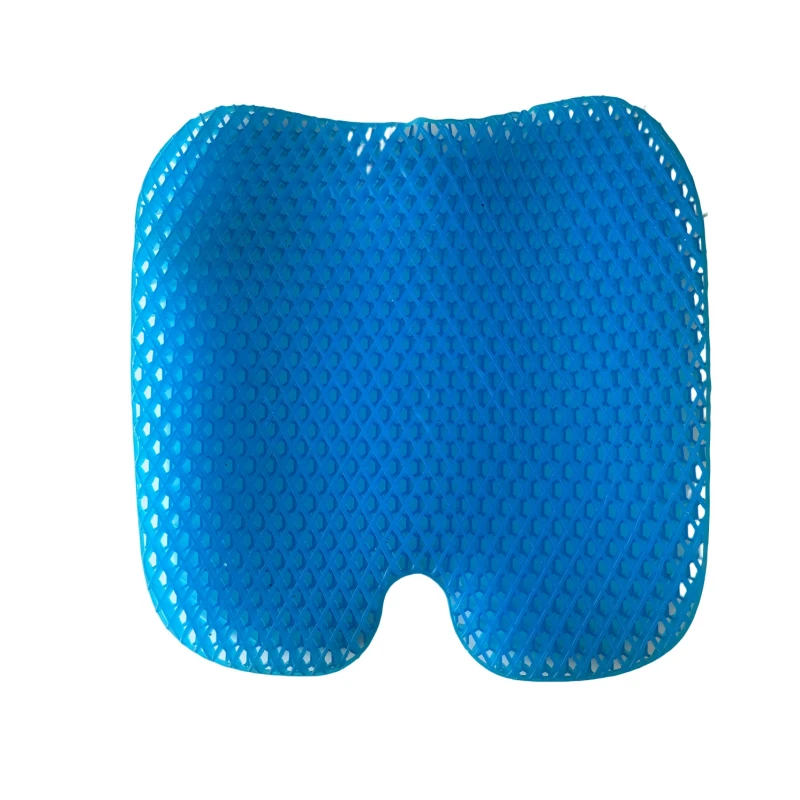
TPE Chair Cushion
Customization: Adjustable firmness, thickness, dimensions and shape.
Applications: Office chairs, furniture and selected wheelchair seating.
OEM/ODM: Custom structures, covers and anti-slip bases.
Quality Control: Material inspection, durability testing and batch consistency.
Description
Technical Parameters
Zhejiang Rina Home Technology Co., Ltd. is one of the most reliable manufacturers and suppliers of tpe chair cushion in China. Welcome to buy discount tpe chair cushion made in China here from our factory. For custom service, contact us now.
Custom TPE Seat Cushions for Different Seating Applications
A TPE cushion is not a one-specification product. Its performance depends on the material formulation, internal structure, thickness, firmness, shape and intended seating conditions. For brands and manufacturers developing seating products, these variables need to be defined before sampling and bulk production.
Zhejiang Rina Home Technology Co., Ltd. develops TPE cushions for different seating and comfort applications. Our customization options include honeycomb, lattice and solid-core structures, single-layer and multi-layer designs, firmness adjustment, custom dimensions, cover compatibility and anti-slip base integration.
From initial product requirements to sample evaluation, tooling, pilot production and quality inspection, RINA supports projects that require defined product specifications and repeatable manufacturing.

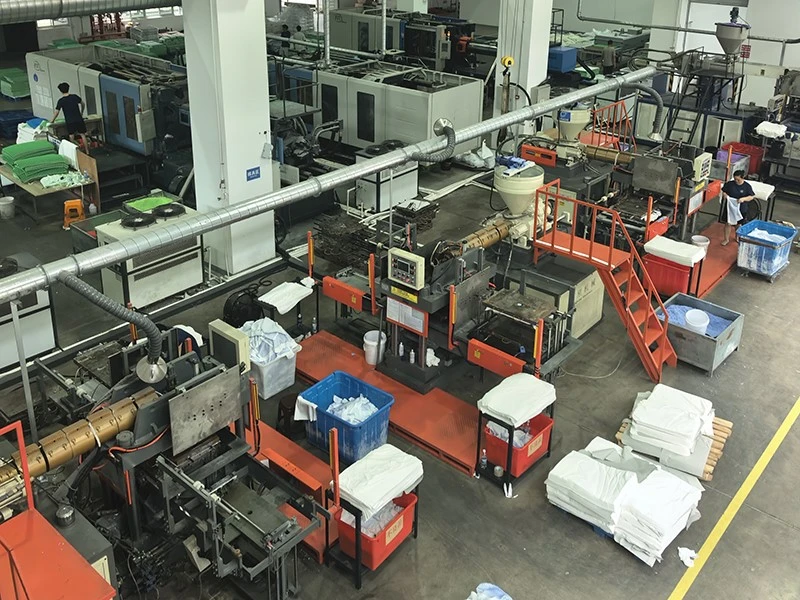
TPE Chair Cushion development options:
Structure: Honeycomb, lattice or solid core
Construction: Single-layer or multi-layer
Firmness: Soft, medium or firm, subject to the selected design
Dimensions: Custom length, width, thickness and shape
Integration: Compatible covers and optional anti-slip base designs
Applications: Seat cushions and back cushions for selected seating products
Contact us with your target application, required specifications and order quantity to discuss product feasibility, sampling and production planning.
Choose the Right TPE Cushion Configuration
The correct configuration should be selected according to the intended use, seating interface, load conditions and target comfort level. A structure that works for an office chair may not be suitable for a wheelchair, sofa or specialized seating product without further evaluation.
| Configuration factor | Available options | What buyers need to evaluate |
|---|---|---|
| Internal structure | Honeycomb, lattice or solid core | Support characteristics, airflow requirements, structural stability and cleaning considerations |
| Layer construction | Single-layer or multi-layer | Whether different support or comfort characteristics are required across the cushion |
| Firmness | Soft, medium or firm | Target user preference, seating conditions and load-bearing requirements |
| Dimensions | Custom length, width, thickness and shape | Fit with the chair, seat base, frame or existing product design |
| Surface integration | Cover-compatible design | Fit, attachment method, removal requirements and surface protection |
| Base design | Optional anti-slip integration | Whether the cushion needs additional resistance to movement on the intended seating surface |
The options above are starting points for product development, not interchangeable specifications. Final choices should be confirmed through design review and sample testing.
TPE Cushion Applications and Design Requirements

For office chair cushions and ergonomic seating products, buyers should define the seat dimensions, target thickness, firmness preference and expected daily use.


Custom TPE Cushion Development
RINA's published development process covers requirement analysis, structure and firmness proposals, sampling and performance testing, tooling and pilot production, followed by mass production and quality control.
Step 1: Requirement Review
The project begins with the intended application and product requirements. Buyers should provide the target dimensions, expected loading conditions, preferred firmness, required structure, estimated quantity and destination market.
Existing drawings, reference samples or product photos can help clarify the design.
Step 2: Structure and Firmness Proposal
Based on the requirements, the structure, layer construction, dimensions and firmness can be reviewed for feasibility.
At this stage, confirm which features can be achieved using an existing design and which may require new tooling, structural changes or additional development work.
Step 3: Sample Production and Evaluation
Samples allow both parties to review fit, appearance, dimensions and the agreed performance characteristics before placing a bulk order.
A sample evaluation plan should identify the required tests, acceptance limits and approval responsibilities. If the sample does not meet the requirements, the changes should be documented before the next evaluation round.
Step 4: Tooling and Pilot Production
Projects involving a new shape or structure may require tooling or other development work. The scope, cost, ownership arrangements, expected timing and approval process should be confirmed before the work begins.
Where appropriate, pilot production can help verify the manufacturing process and inspection criteria before a larger production run.
Step 5: Mass Production and Quality Control
After sample approval and specification confirmation, the approved sample and documented requirements can serve as references for bulk production.
Changes to material, structure, dimensions, cover integration or packaging should be reviewed and approved before implementation. This helps prevent unapproved changes between the sample stage and repeat orders.
TPE Chair Cushion Bulk Order Planning, Packaging and Delivery
The unit price is only one part of the total procurement cost. For bulk orders, product configuration, packaging volume, inspection requirements, tooling and shipping arrangements can also affect the final landed cost.
Before placing an order, confirm the following:
- Order quantity: Initial order quantity, expected repeat-order volume and product variants.
- MOQ: Minimum order quantity for the selected design, material and customization scope.
- Lead time: Sampling, tooling, approval and mass-production schedules.
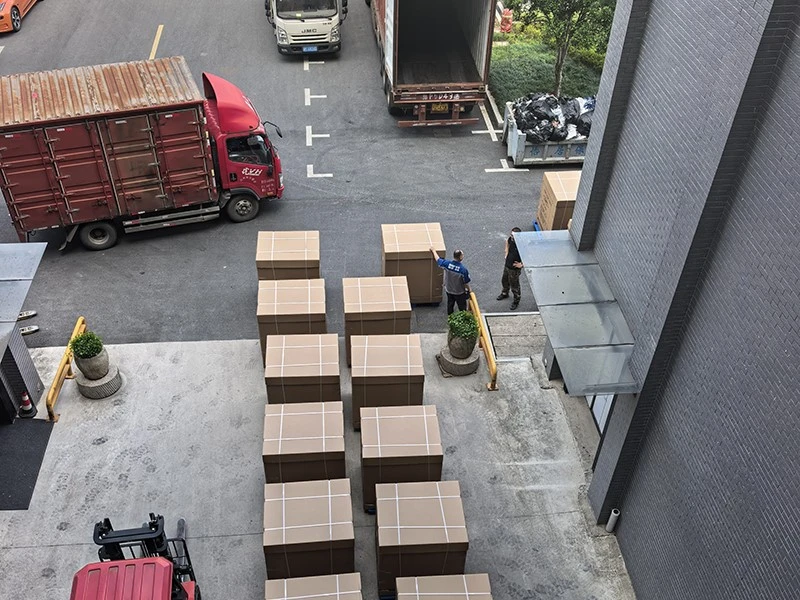
- Packaging: Individual protection, retail packaging, export carton requirements and units per carton.
- Carton data: Carton dimensions, gross weight and net weight for logistics planning.
- Inspection requirements: Required testing, sampling plans, inspection records and any third-party inspection.
- Shipping arrangements: Destination, shipping method and any special handling requirements.
If compression packaging is being considered to reduce shipping volume, confirm whether it is appropriate for the specific cushion design and whether the product can recover within the agreed limits after unpacking. Do not assume that every TPE structure can be compressed for transport without affecting its performance.
MOQ, pricing, sample charges and lead time should be quoted according to the actual project requirements.
Frequently Asked Questions
Q: Can RINA Customize TPE Cushion Structures?
A: RINA lists honeycomb, lattice and solid-core structures, as well as single-layer and multi-layer construction, among its customization options. The feasibility of a specific design should be reviewed according to its dimensions, performance targets and production requirements.
Q: Can The Firmness And Thickness Be Adjusted?
A: Firmness and thickness can be considered during custom development. The available range and achievable performance depend on the selected material, structure and product design, so the final specification should be confirmed during the development process.
Q: Can TPE Cushions Be Developed For Wheelchair Or Medical Seating?
A: RINA lists wheelchair and medical-use seating among its application areas. Each project requires an application-specific review of dimensions, load conditions, stability and relevant compliance requirements. Medical or pressure-management claims must be supported by appropriate evidence for the actual product.
Q: How Can Buyers Evaluate Cushion Durability Before Bulk Production?
A: Agree on the intended loading conditions, compression or cycling method, recovery period and acceptance limits before sample testing. Use the approved sample and documented specification as the reference for subsequent production checks.
Q: Will A Custom TPE Cushion Require New Tooling?
A: That depends on whether the requested shape and structure can be produced using an existing design. Tooling requirements, costs, ownership arrangements and development timing should be clarified before the project proceeds.
Q: What Information Is Needed To Start A Custom Project?
A: The most useful starting information is the intended application, dimensions, preferred structure and firmness, expected load, estimated order quantity and destination market. Drawings or reference samples can help clarify requirements.
Q: Can RINA Support Repeat Bulk Orders?
A: RINA identifies mass production and batch-to-batch quality control as part of its manufacturing capability. For repeat orders, buyers should confirm the approved specification, inspection plan, change-control procedure and production schedule in advance.
Hot Tags: tpe chair cushion, China tpe chair cushion manufacturers, suppliers, factory, tpe cushion, TPE Office Chair Cushion, TPE Seat Cushion, TPE Wheelchair Cushion
Previous
No InformationSend Inquiry


