

Why Breathable Memory Foam Pillows Are Becoming The New Standard in Modern Sleep Solutions
Apr 02, 2026
Leave a message
Introduction: The Rising Demand for Breathable Sleep Solutions
In recent years, the global sleep products industry has undergone a significant transformation. Consumers are no longer satisfied with traditional pillows that simply provide softness; instead, they are seeking scientifically engineered solutions that improve sleep quality, regulate temperature, and support long-term health. Among emerging categories, the breathable memory foam pillow has become one of the fastest-growing segments in the bedding market.
Driven by increased awareness of sleep health, ergonomic design, and temperature regulation, breathable pillows are now positioned as a premium solution addressing common sleep problems such as heat retention, neck discomfort, and poor spinal alignment. Industry buyers and distributors are increasingly prioritizing products that combine comfort, durability, and advanced material innovation.
Memory Foam Pillow Market Trends in the Global Bedding Industry
Memory foam pillows have long been valued for their pressure-relieving properties. The material adapts to body weight and temperature, contouring to the head and neck to deliver personalized support. However, early generations of memory foam products faced a major limitation: insufficient airflow and heat buildup during sleep.
Today's market trend clearly shows a shift toward cooling and breathable upgrades. International retailers and brands are demanding pillows that deliver:
Improved airflow performance
Moisture and heat dissipation
Long-lasting shape retention
Hypoallergenic sleep environments
As a result, breathable memory foam pillows are becoming a key differentiation factor in both retail and private-label bedding programs worldwide.
Why Breathability Has Become the Core Innovation Direction
Sleep research and consumer feedback consistently highlight temperature regulation as one of the most important factors affecting sleep quality. Overheating during sleep can lead to frequent waking, discomfort, and reduced deep-sleep cycles.
Traditional foam structures tend to trap body heat. To solve this industry-wide challenge, manufacturers have focused on enhancing airflow through structural and material innovations.
Breathable memory foam pillows address these issues by:
Allowing continuous air circulation inside the pillow core
Reducing humidity accumulation
Maintaining stable sleeping temperatures
Enhancing overnight comfort consistency
For global buyers, breathability has evolved from an optional feature into a purchasing requirement.
Key Technologies Behind Breathable Memory Foam Pillows
Modern breathable memory foam pillows integrate multiple technologies to achieve cooling performance while maintaining ergonomic support.
Open-Cell Foam Structure
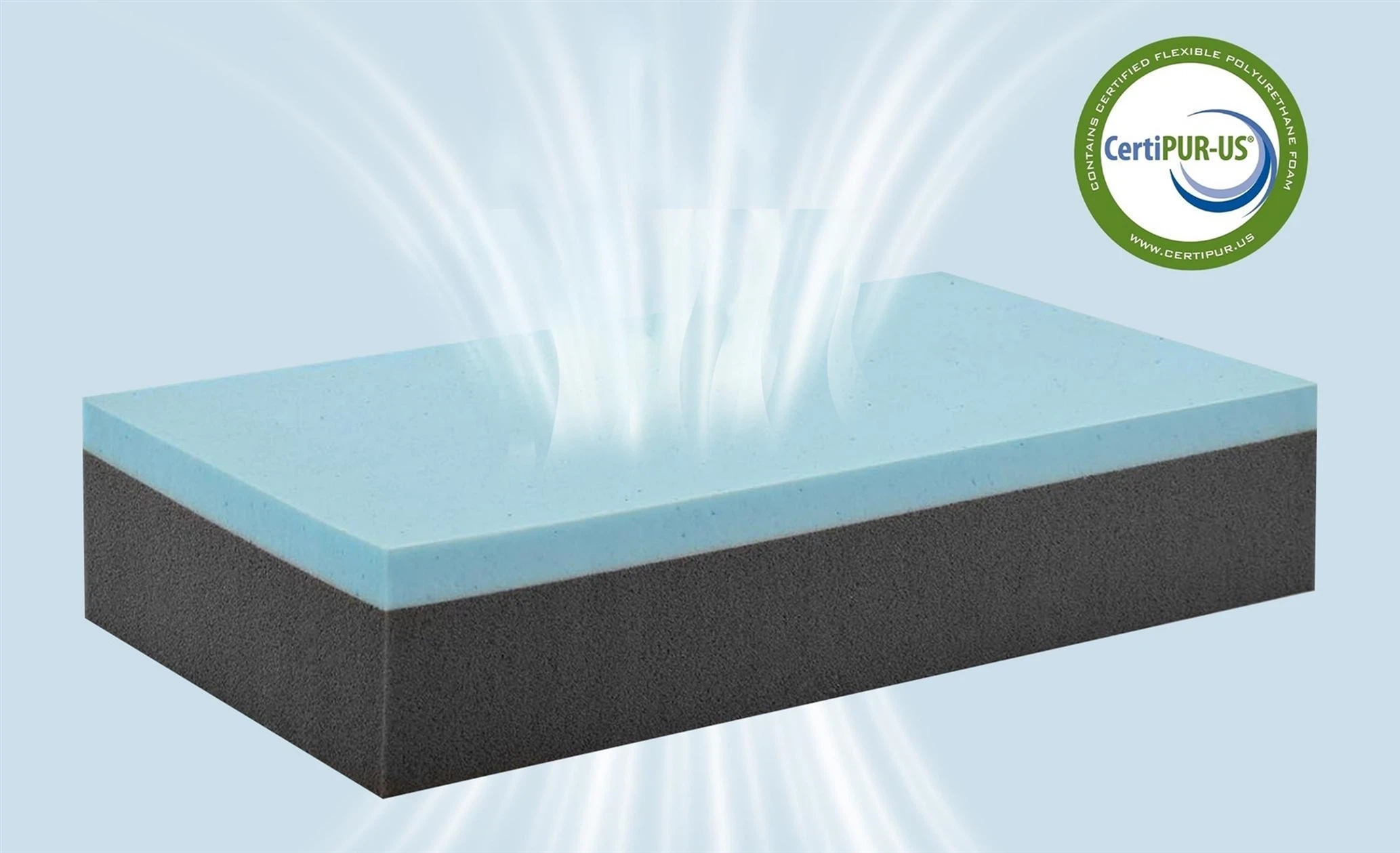
Advanced open-cell technology increases internal air channels, allowing heat and moisture to escape more efficiently than traditional dense foam.
Ventilated or Perforated Core Design
Strategically placed ventilation holes improve airflow circulation and reduce pressure concentration zones.
Cooling Gel Infusion
Gel particles or layers help absorb and disperse body heat, providing a cooler sleeping surface.
Breathable Fabric Covers
High-performance covers made from bamboo fiber, cooling polyester blends, or moisture-wicking textiles enhance ventilation and hygiene.
Together, these innovations redefine memory foam from a comfort material into a functional sleep technology.
Ergonomic Design Meets Advanced Material Engineering
Beyond temperature control, ergonomic performance remains essential. A high-quality breathable memory foam pillow must maintain spinal alignment while adapting to different sleeping positions.
Common ergonomic features include:
Contoured shapes supporting cervical curvature
Balanced firmness for head and shoulder pressure relief
Stable rebound performance preventing collapse over time
These features help reduce muscle tension and support natural posture throughout the night, making breathable memory foam pillows particularly suitable for side sleepers, office workers, and users experiencing neck fatigue.
Application Scenarios and Target Consumer Groups
The growing versatility of breathable memory foam pillows has expanded their applications across multiple markets:
Home bedding retail collections
Hospitality and premium hotel programs
Healthcare and wellness sleep solutions
E-commerce private-label brands
Cross-border B2B distribution channels
Target users include:
Hot sleepers seeking cooling comfort
Consumers focused on sleep health improvement
Allergy-sensitive users requiring hygienic materials
Professionals experiencing neck and shoulder strain
This broad applicability makes breathable pillows an attractive category for importers and brand owners aiming to upgrade product portfolios.
Manufacturing Innovation: Inside Zhejiang Rina Home Technology Co., Ltd.
As global demand shifts toward advanced sleep solutions, manufacturers play a crucial role in material innovation and product reliability. Zhejiang Rina Home Technology Co., Ltd., established in 2015 and located in Huzhou, Zhejiang, China, has positioned itself as a professional manufacturer specializing in sleep and comfort products for international B2B markets.
With modern production facilities and an experienced technical team, Rina focuses on integrating ergonomic design principles with advanced materials engineering. The company develops and manufactures mattresses, pillows, and innovative bedding systems tailored to global customer requirements.
A key strength of Rina lies in its commitment to TPE sleep material innovation, combining breathability, durability, and environmental responsibility. By applying advanced material research to pillow construction, Rina delivers products designed to enhance airflow performance while maintaining structural stability and long-term comfort.
Through flexible manufacturing capabilities and customization services, the company supports brand owners, wholesalers, and retailers seeking differentiated sleep solutions aligned with evolving market trends.
Sustainability and Future Development of Sleep Products
Sustainability has become another defining factor in the bedding industry. Buyers increasingly evaluate products based on environmental impact, material safety, and lifecycle durability.
Breathable memory foam pillows contribute to sustainable development through:
Longer product lifespan reducing replacement frequency
Eco-conscious material formulations
Improved indoor air quality performance
Reduced waste through durable design
Future innovation is expected to focus on hybrid materials, recyclable components, and smart sleep technologies that combine comfort with environmental responsibility.
Conclusion: From Comfort Upgrade to Sleep Technology Transformation
The breathable memory foam pillow represents more than a simple product upgrade-it reflects a broader transformation within the global sleep industry. As consumers prioritize health, temperature regulation, and ergonomic support, breathable designs are becoming the new benchmark for pillow performance.
Manufacturers such as Zhejiang Rina Home Technology Co., Ltd. are driving this evolution by merging material science, ergonomic engineering, and sustainable manufacturing practices. For global distributors and bedding brands, investing in breathable memory foam solutions offers an opportunity to meet modern consumer expectations while building long-term competitive advantage.
As sleep technology continues to evolve, breathable memory foam pillows are set to remain at the forefront of innovation, shaping the future of comfort-driven bedding products worldwide.